IndyStar: Utility companies, Indiana offer billing assistance for winter home heating
Citizens offers its own discount program, providing 10% to 25% breaks on gas bills for customers who qualify for energy assistance programs. A Warm Heart Warm Home Foundation grant is also available to customers struggling to keep up with heating costs during the winter. AES offers similar programs, including AES Indiana’s Power of Change, which is an emergency relief fund for qualifying customers who have received a disconnect notice.
Read More
WFYI: AES to convert Petersburg coal plant to natural gas, announcement causes mixed reactions
AES Indiana’s announcement to convert its Petersburg coal plant to natural gas is being met with mixed reactions. It's part of the utility's long-term plan to power AES customers with 13 percent natural gas and at least 78 percent wind, solar, and battery storage by 2042.
Read More
Release: Special Resolution Promotes Urban Forests and Trees Funding
On Monday, November 7, Councillor John Barth (District 7) will introduce a Special Resolution during the Council meeting to support the development of a carbon credit program to protect and generate revenue for the maintenance of urban forests and trees throughout Indianapolis. The Special Resolution follows up on a series of hearings held by the Council’s Environmental Sustainability Committee, chaired by Barth, focused on green space, urban forests, and new methods to fund green initiatives, including consideration for a city-operated carbon credit program.
Read More
WRTV: Delivering healthy food options to Indy residents
Dozens of Indianapolis families now have boxes full of fresh fruits and vegetables for free thanks to a program called “Good Food for All”. Families who signed up will get one box each week for 10 weeks. After that, they’ll be given $50 per month for three months to use at any Indianapolis Safeway location.
Read More
IBJ: Three transit-oriented projects in line for city financing incentives
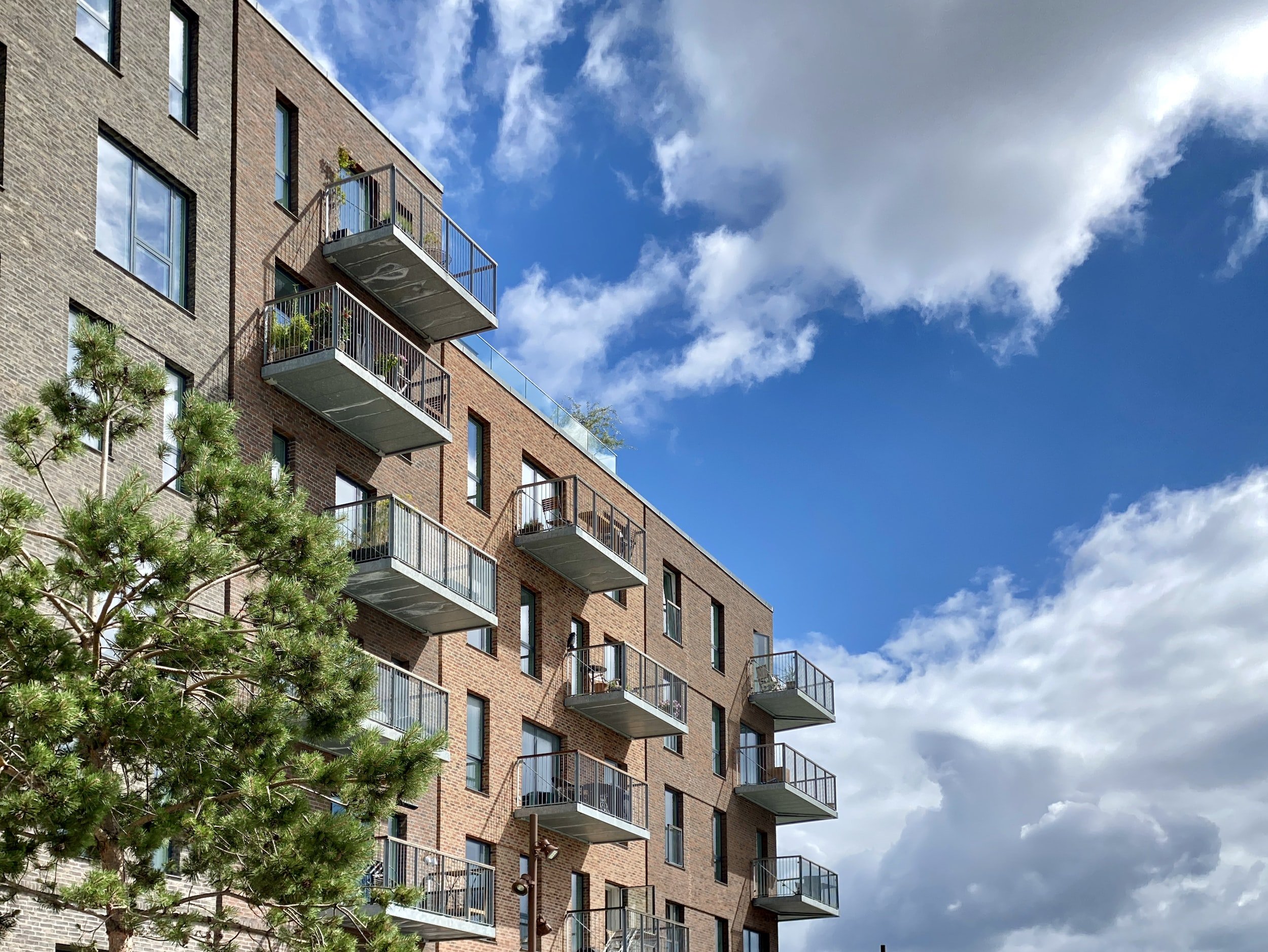
A September 2021 zoning code change prioritizing transit-oriented development during the creation of the IndyGo Red Line helped pave the way for the projects. It prioritizes moderate- to high-density housing near transit, more walkability and safety along the transit line and easy access to commercial development in neighborhoods.
Read More
Route Fifty: New Ideas for How Cities Can Stop People From Littering
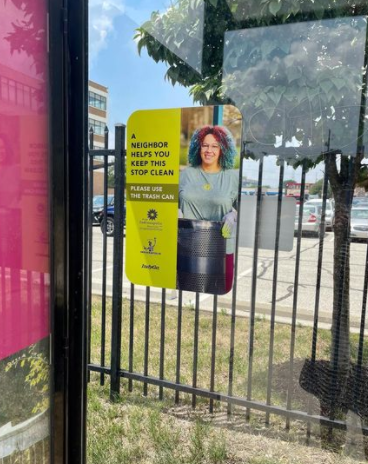
In 2021, the nonprofit, Keep Indianapolis Beautiful (KIB), and the Indianapolis Office of Sustainability found that signs had little to no impact on the amount of litter at bus stops. The Behavioral Insights Team set up the study to test anti-littering signage informed by behavioral science, which is the study of human behavior and how our actions are shaped by environmental and contextual factors.
Read More
Release: Indy Office of Sustainability to Host "Highly EVolved" Indy Electric Vehicle Showcase
This free, family-friendly event will feature a live DJ, food trucks, and free coffee for the first 200 attendees, all while showcasing the various makes and models of electric vehicles available in the Central Indiana market. This is a great way for folks to explore their options, whether they are interested in purchasing an EV soon or just curious to get some questions answered.
Read More
IBJ: Indianapolis aims to get residents eating more fruits and vegetables
Initially, the expanded program is similar to the first phase of the pilot. About 1,000 selected Indianapolis families will receive free weekly boxes of fresh produce, along with recipes and ideas for using the food. Boxes will be distributed through eight local organizations around the city, including schools, churches and community centers.
Read More
IndyStar: How can teenagers help protect the environment?
The consensus among those currently involved in environmental protection issues is that collective action is far more effective than individual actions, especially collective actions focused around issues currently within your high school or community.
Read More
IBJ: IndyGo to host public meetings on proposed five-year redesign
The draft future service plan includes a network redesign that would remove less-used routes and integrate rapid transit lines. It also aims to increase service frequency, with an emphasis on weekends. IndyGo also plans to extend crosstown routes to connect riders with grocery stores, medical facilities, colleges and retail locations.
Read More
IndyStar: Indiana residents will experience more extreme heat days by midcentury, study says
A recent study from First Street Foundation found that most of the counties in Indiana will continue to see high heat day increases, with the southern portion of the state seeing the largest increase in what are called extreme heat days. Martin, Harrison and Clark counties are expected to see the greatest increase.
Read More
Fox59: Survey shows how Hoosiers feel about climate change
65% of Hoosiers believe global warming is happening. 50% of Hoosiers believe it is caused mostly by human activities. 57% of Hoosiers are worried about global warming. 65% of Hoosiers believe it will harm plants and animals, 64% believe it will harm future generations and only 40% believe it will harm them personally.
Read More
IndyStar: 'Game-changer': Pedestrian improvements coming to South Meridian Street
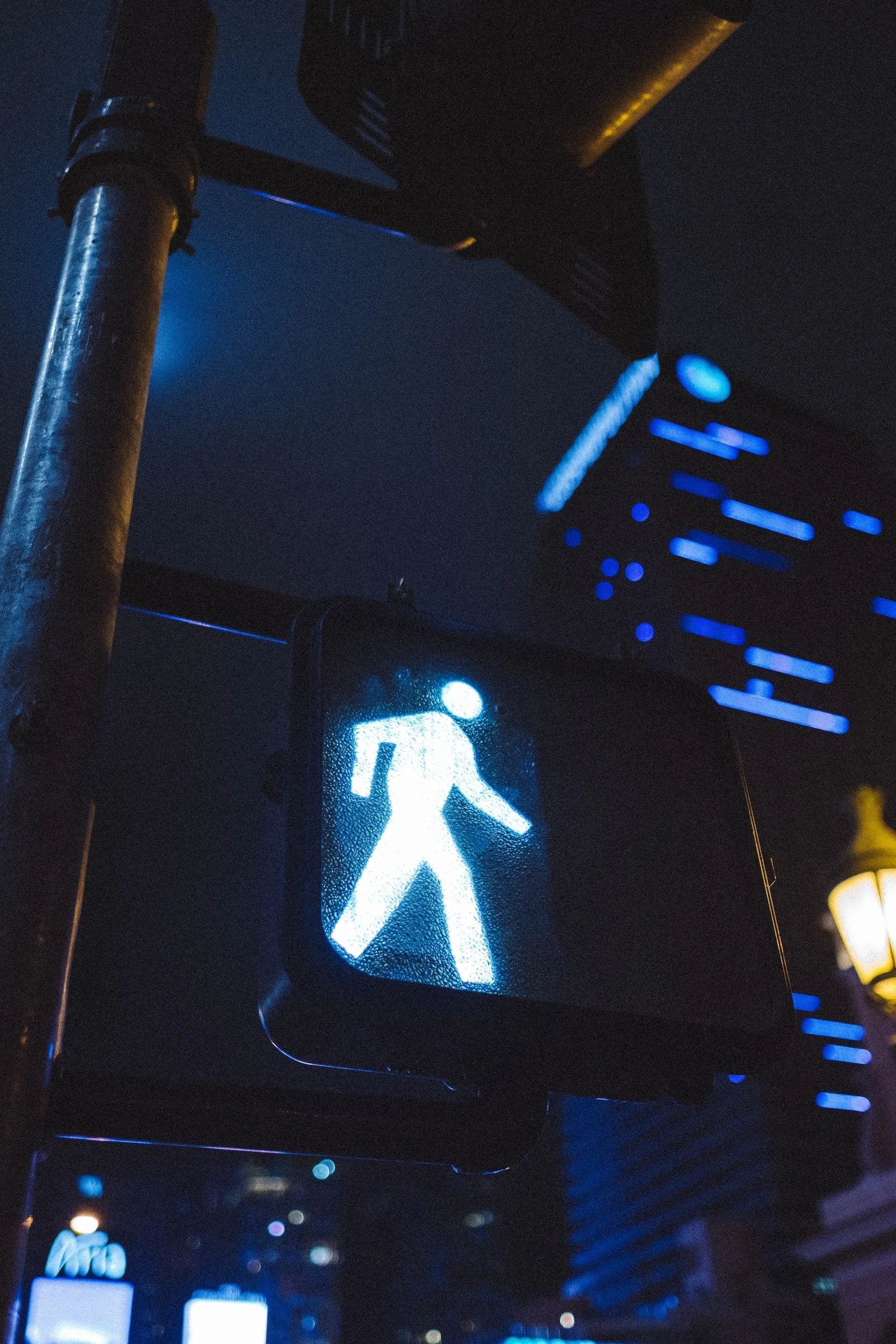
Along much of the half-mile stretch, the plan is to convert two of the driving lanes into expanded sidewalks, a multi-use path along the east side, and green space to separate the road and from the walking and biking paths. At least three intersections will get new crosswalks, two of which will be raised and one of which will have flashing lights to warn drivers of walkers.
Read More
Release: Indy Office of Sustainability and RecycleForce to Host Another Electronics Recycling Event
The Indianapolis Office of Sustainability and local nonprofit RecycleForce will host an electronics recycling (“E-cycle”) event for Marion County community members on Saturday, September 24 at Perry Park (451 E Stop 11 Road) from 9 a.m. to 2 p.m. Properly disposing of electronics is important because Indiana's Electronic Waste Law prohibits households, small businesses, and schools from disposing of electronic waste in the trash.
Read More
IndyStar: INDOT looks for public input on I-65, I-70 in Indianapolis
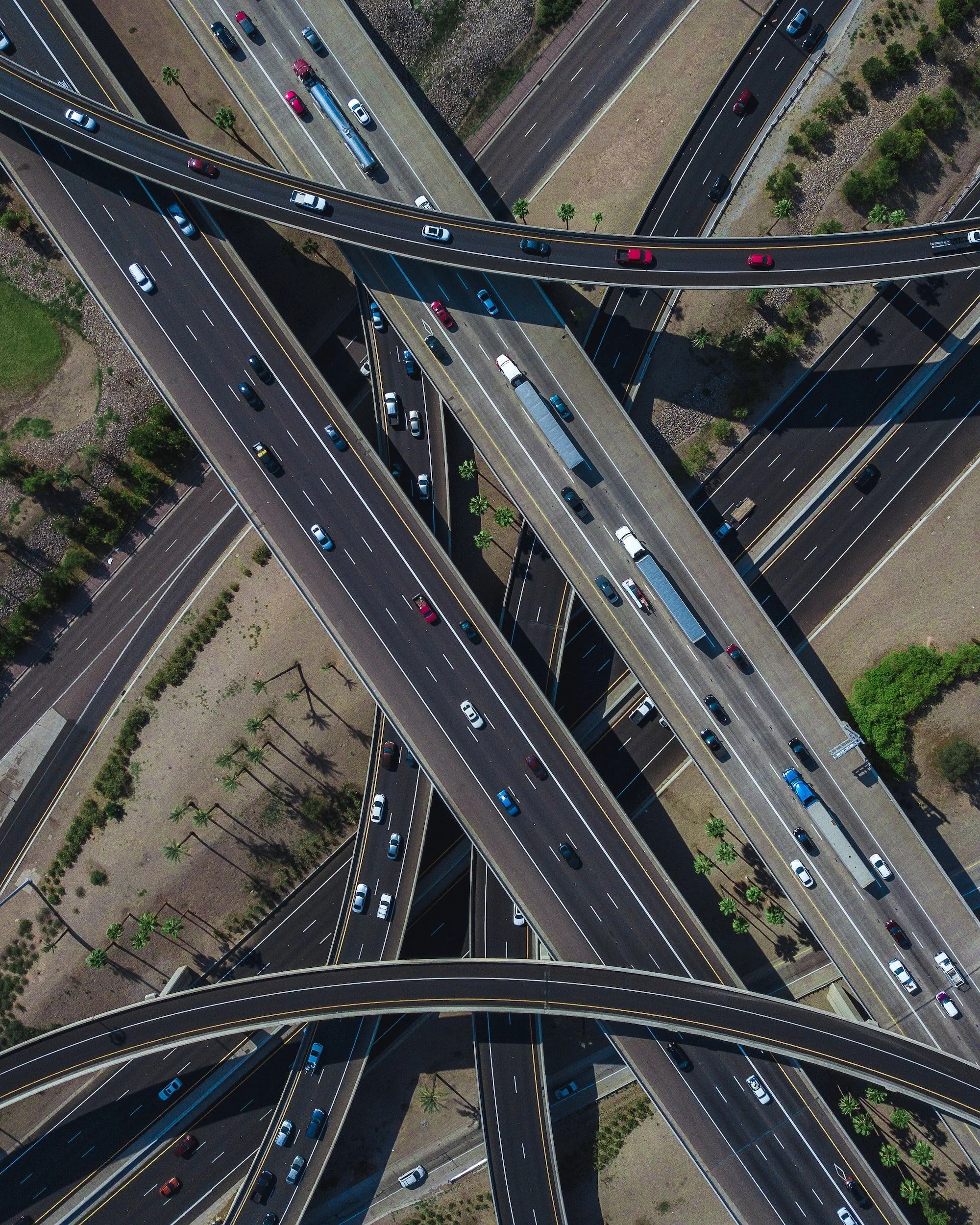
INDOT's study, called ProPEL Indy, will look at nearly the entirety of the urban interstates, excluding the North Split and a segment of I-65 south of downtown where another project is already in design. There was no PEL study for the $350 million North Split reconstruction project, which garnered severe pushback when first presented to the public in 2017.
Read More
IndyStar: Grown IN Indiana - Urban farmers uplift Indy communities, raise next generation
Soul Food Project is largely grant funded, and the results so far are promising. The program keeps growing, and research shows urban garden’s such as Guerin’s are much needed in Indy. More than 200,000 Indy residents live in a food desert, according to the Indiana Community Food Access Coalition. This so-called desert happens when more than 33% of an urban population lives a mile or more from a grocery store.
Read More
WFYI: Indianapolis one of 12 cities participating in a study looking at how parks keep urban areas cool
Currently, ecologists from the Indianapolis Office of Land Stewardship are participating in a study conducted by the Natural Areas Conservancy to see how the health of an ecosystem influences temperatures. Sensors have been placed in parks across the city with healthy forests, degraded woods or developed sites to record temperatures. Researchers will also use satellite data to quantify differences.
Read More
IndyStar: Final Fall Creek Trail extension underway in Indianapolis, connecting to White River Trail
Leveraging local dollars from the Circle City Forward initiative to attract state and federal grants, the Department of Public Works will spend $37 million on trails and greenways across nine different projects throughout 2022 and 2023, including this one.
Read More
Release: Indianapolis Participating in Multi-City Study Comparing Temperatures Across Urban Natural Areas
Indianapolis is one of 12 U.S. cities that will study the cooling potential of urban natural areas. Led by NYC-based nonprofit Natural Areas Conservancy, the study results will help cities prepare for climate change.
Read More
Release: B20 Club Welcomes City of Indianapolis DPW as its Newest Member
The B20 Club of Indiana, a collaboration between the Indiana Soybean Alliance (ISA) and the American Lung Association that recognizes and supports select Indiana-based fleets running on biodiesel blends of 20 percent or higher, recently welcomed the City of Indianapolis Department of Public Works (DPW) as its newest member.
Read More